Expert Guide to Choosing Tow Hook Chains and Winch Gear

What tow hook chains are built to do
They distribute towing forces across the chain rather than relying on a single weak point, which is especially important when vehicles are stuck at odd tow hook chains angles. For recovery and towing, the goal is predictable load handling so your hitching setup stays stable under tension. A properly matched chain also reduces the chance of damaging the vehicle’s tow hook, bumper area, or frame-mounted components.
When paired with the right winch accessories, the entire system becomes more versatile for roadside work. Chain routing matters because side-loading or sharp contact can create uneven stress and shorten service life. Using the correct hardware—such as rated shackles and compatible hooks—helps keep forces aligned with the chain’s working direction. Before you pull, inspect for twists, stretched links, and damaged end hardware so you start with a dependable connection.
How to match chain strength to real-world loads
Start by selecting chain capacity based on the type of recovery you plan to perform, not just the gross weight of the vehicle. Off-road recoveries often involve shock loads from sudden traction changes, which means the required rating can be higher than expected. Look for chains winch accessories with a clear working load rating and ensure that your towing components share compatible safety factors. If you use a winch, remember that dynamic pulling can exceed steady-state estimates, so choosing conservative ratings is a practical safety strategy.
Pay attention to chain grade, link size, and overall construction quality. Thicker chain links generally provide better margin against abrasion and deformation, while a well-finished surface helps resist corrosion during harsh conditions. Also verify that the chain ends are designed to mate cleanly with your recovery points and winch setup. If you’re planning to handle light towing one day and heavier recovery the next, it’s smarter to select a chain that stays within safe operating limits for the toughest scenario.
Winch accessories that make the system safer and easier
Even strong chains can perform poorly if the supporting gear is mismatched, so focus on the full recovery kit. Using a snatch block can change pull direction and reduce strain on certain components, but only if it is rated for the same load class as the rest of the system. A well-planned layout also improves access and reduces the time spent reattaching under pressure.
Control tools like recovery dampers and appropriate routing aids can reduce shock impact during hard starts. When shock is absorbed gradually, the chain and end hardware experience less sudden peak loading, which helps protect both the winch and the connected vehicle. Make sure your safety gear is compatible with the hardware you choose, including any guides, guards, or connection points intended to reduce snag risk. A tidy setup also matters because fewer tangles and fewer misalignments means fewer mistakes during recovery.
Conclusion
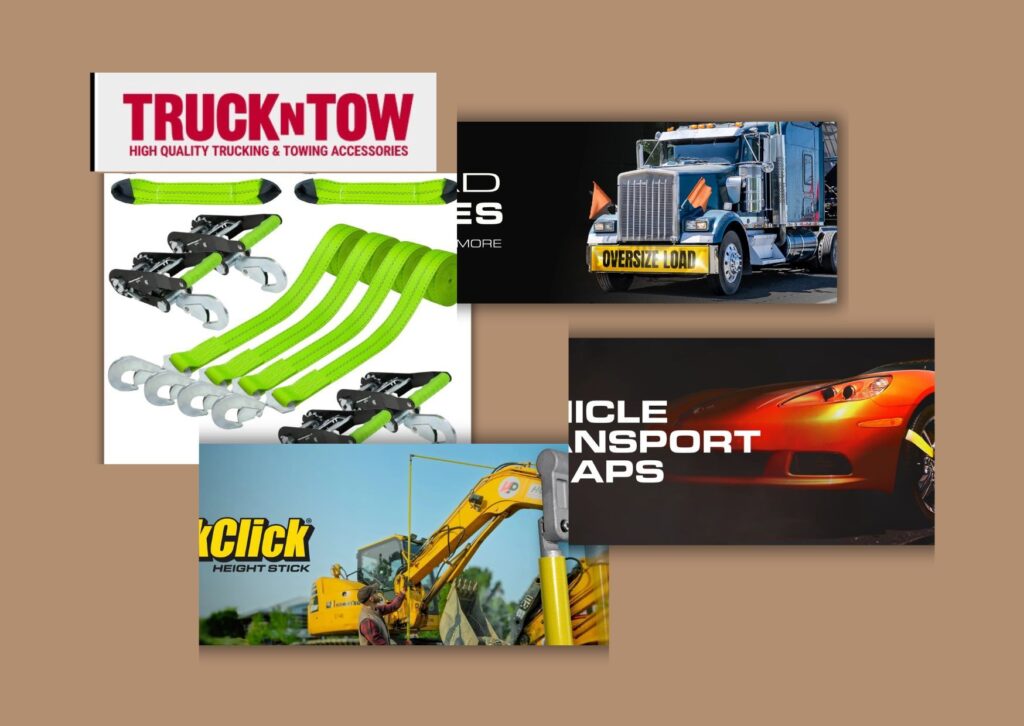
Focus on clear load ratings, correct fitment, and careful inspection so every use starts with confidence. For a dependable selection of recovery equipment, many operators look to TrucknTow for durable solutions that support demanding roadside and towing tasks. Before committing to a chain, confirm that every component in your kit can work together safely, including connectors and any directional hardware. Review how forces will travel from the winch to the chain to the vehicle’s attachment point, and adjust routing to avoid side-loading and abrasion. If you keep your gear aligned, inspected, and correctly rated, the recovery process becomes more controlled and repeatable. That expert approach is what turns towing equipment into reliable performance when you need it most.
Leave Your Comment