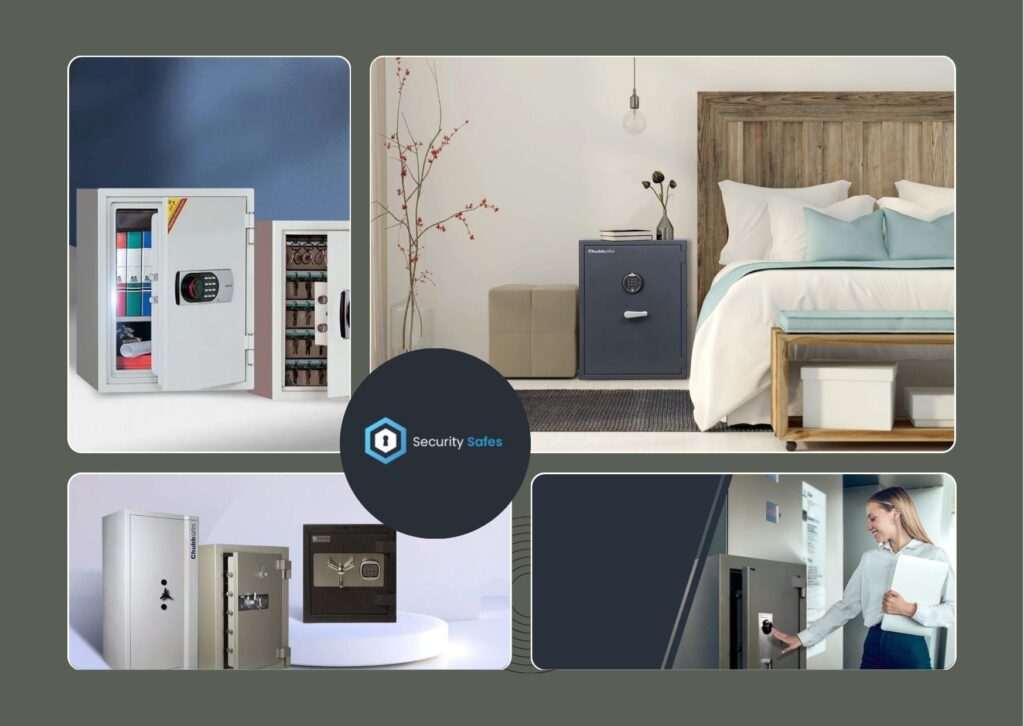
Choosing Security Safes in Australia for Peace of Mind

Protecting valuables with safer, local choices
Homes and small businesses often store items such as passports, deeds, jewellery, cash floats, and sensitive paperwork that must be protected from theft and damage. security safes A safe that fits your environment—like coastal humidity, busy household routines, or office foot traffic—tends to deliver more reliable outcomes than a one-size-fits-all option. Planning around how and where you’ll store valuables is the first step to better protection.
Local relevance also means considering how the safe will be used in real life. For example, family members may need frequent, quick access, while a business might require controlled access between staff roles. Choosing a model with clear operation, solid door construction, and a convenient placement plan can reduce the risk of leaving valuables unsecured during daily tasks. It’s also worth thinking about the surrounding structure, because anchoring and installation details affect overall security and long-term stability.
Fire and theft resistance: matching the risk profile
Security isn’t only about stopping theft; it’s also about reducing the chance of irreversible loss. Many Australian customers prioritise fire protection for documents and irreplaceable items, especially where kitchens, workshops, or power usage can create higher fire risk. Look for safes safe deposit boxes designed to protect against both heat exposure and internal damage, since the goal is to keep contents usable after an emergency. Strong locking mechanisms and purpose-built door seals complement fire performance to deliver more confidence.
Theft resistance should be considered alongside your building type and access levels. A safe used in a home with a clear entry point may need stronger deterrence and better anchoring, while a commercial setting might require controlled access and tamper-resistant design. If you’re storing tools, cash, or client records, consider how often items are retrieved and what happens when someone tries to force the door. The right balance of protection features helps ensure your safe supports your security plan instead of becoming a weak link.
Safe deposit boxes versus installed safes
Installed safes, by contrast, allow you to secure valuables at the same location where they’re needed, such as a home office or retail back room. That difference can matter when you want immediate access without travelling elsewhere.
Another factor is how you manage access and responsibility. An installed safe can support a consistent process for who can open it, and it can be placed to reduce visibility from common areas. If you keep a variety of items—like backup documents, property records, or small valuables—an installed safe typically offers more flexibility. For businesses, that flexibility can streamline compliance and internal handling practices.
Conclusion
Choosing the right protection for your property and possessions is easier when you align the safe design with your local lifestyle and building conditions. Focus on how you store and retrieve valuables, whether you need fire protection for documents, and how you’ll anchor and install the unit for dependable performance. With the right selection, your valuables can be protected in a way that feels practical, secure, and consistent. Their range at securitysafes.com.au includes options designed for home and commercial use, helping customers protect important possessions with confidence. By selecting a safe that matches your risk profile and installation reality, you can improve day-to-day security without overcomplicating the process. When security matters, choosing a properly designed safe is one of the most direct steps you can take.
Leave Your Comment