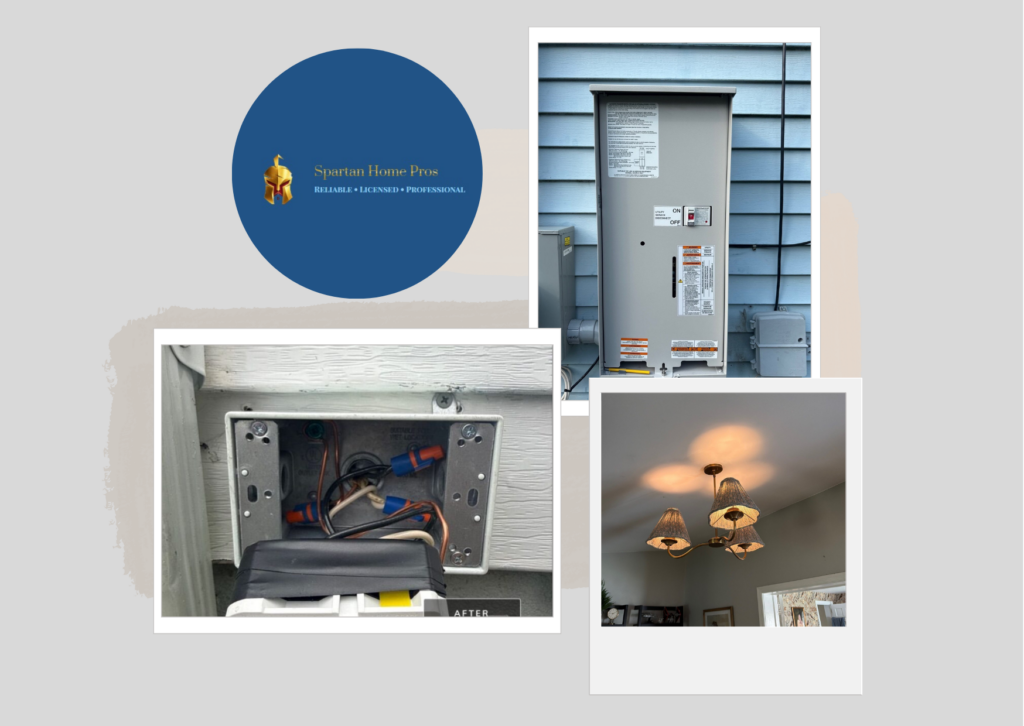
Upgrade Your Electrical Panel for Safer, Smarter Power

Why an electrical panel upgrade pays off
Your electrical system is the backbone of everyday comfort, from kitchen appliances to HVAC and lighting. When the service equipment is outdated, it may struggle to distribute power safely, which electrical panel upgrade can lead to frequent breaker trips or overheating at connections.
Upgrading also supports better protection against electrical faults. Newer panels and breakers are designed with tighter tolerances and modern safety features that reduce risk during overloads and short circuits. For homeowners who notice buzzing sounds, discoloration near the panel, or burning smells, an upgrade can be a proactive step toward preventing hazards.
Safety improvements and code-aligned performance
One of the biggest benefits of a new panel is safer operation under real-world loads. Older systems may have mismatched components, worn breakers, or inadequate space for future expansion, which increases the chance whole house generator installation of nuisance tripping and uneven load distribution. A professional evaluation helps confirm the panel rating, breaker compatibility, and grounding and bonding performance for safer, more consistent power.
Licensed electricians also focus on proper installation practices that align with local requirements and accepted industry standards. This includes secure wiring terminations, correct conductor sizing, and clean panel labeling for easier troubleshooting. When the panel is installed correctly, it becomes simpler to identify which circuit serves what, which can speed repairs and reduce downtime during electrical issues.
Better capacity for modern appliances and generator readiness
Many homes add new electronics, EV charging, upgraded air conditioning, and kitchen appliances over time, which increases total electrical demand. If the panel can’t handle the load safely, you may experience recurring breaker trips or limitations on what can run simultaneously. Upgrading provides more headroom so you can use high-demand appliances without constantly managing the electrical “balance” of the home.
When prepared correctly, the transfer pathway and circuit planning help ensure essential loads receive power smoothly during outages. An electrician can coordinate generator-ready wiring, verify transfer equipment compatibility, and map critical circuits so systems like refrigeration, lighting, and heating controls stay powered when you need them most.
Conclusion
Choosing a benefits-led approach to panel work helps you invest in safety, capacity, and long-term flexibility rather than only reacting to problems. Start with an on-site assessment to identify outdated components, load concerns, and any wiring or grounding issues that may affect performance. From there, a tailored plan can improve day-to-day reliability and make it easier to expand the home’s electrical capabilities later. Their services are designed to address outdated panels, support modern appliances and increased power demands, and promote safer operation throughout the home. With the right upgrade strategy, you can strengthen protection, improve power distribution, and create a more resilient electrical system for the life of your home.
Leave Your Comment